
The Writing Center supports students with personalized help across different types of writing.
By: Jada Taggart
On a Monday afternoon in Building 2S 216, Jenna Rosado, a junior English major, sat with a student at the CSI Writing Center, guiding them through revisions on a written draft. Rosado has tutored at the Writing Center for more than two years now, balancing her schedule as a student while gaining experience for her future career.
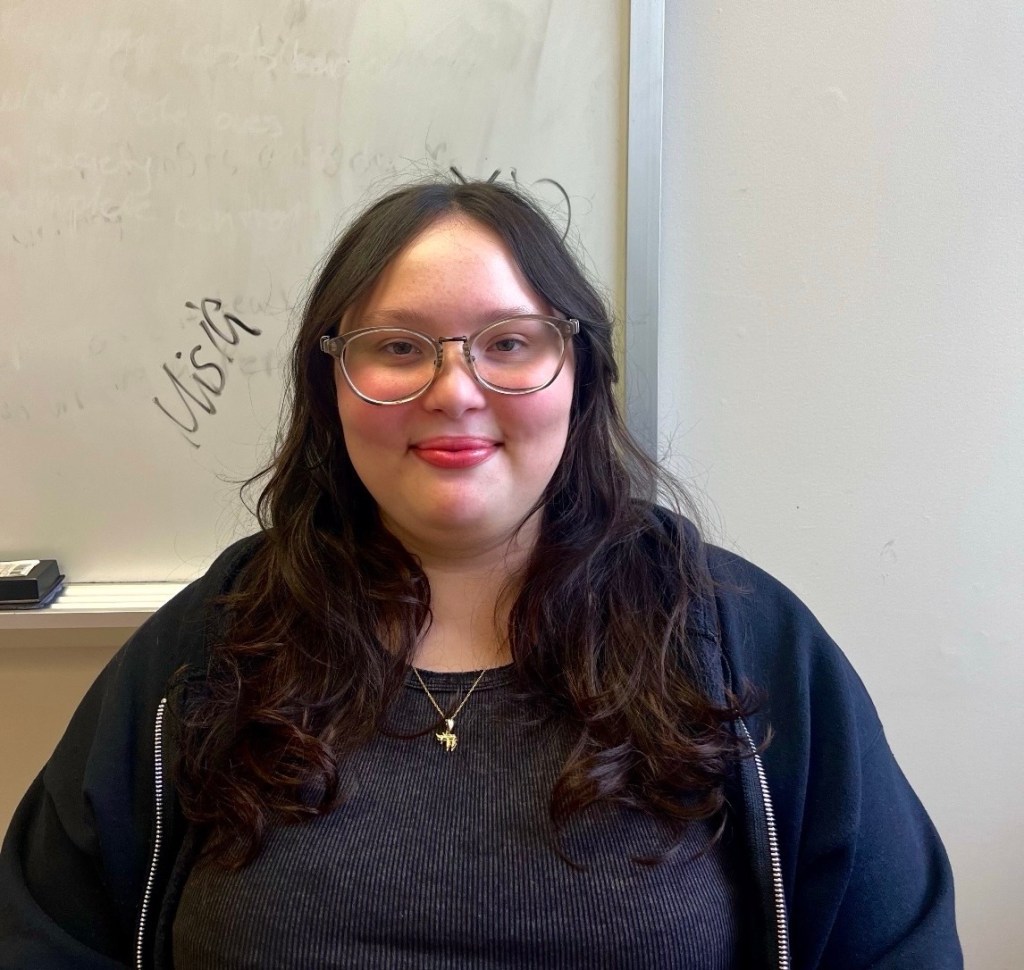
“I work here mostly for teacher experience towards my career,” Rosado said. “It’s good practice for working with students in the future.”
The Writing Center supports students with all types of writing, not only English assignments. Tutors work one-on-one with students, helping them improve structure, language, and clarity through conversation.
Rosado explains how the process is entirely different with each new student depending on what the student is working on or needs help with. Rosado believes conversation is a key tool in developing stronger writing.
As a tutor, Rosado focuses on understanding each student’s individual needs. She often begins sessions by asking about their writing process and what they feel needs improvement. From there, she guides them in revising and strengthening their work.
The goal is not only to improve a single assignment but to build long-term skills. Tutors help students recognize both their strengths and areas for growth. According to Rosado, the center encourages students to return for multiple sessions so they can continue developing their work over time rather than focusing on a single draft.

Rosado spent much of her time outside of class in the center, which eventually led to her being offered a position in 2024. She works Mondays and Wednesdays from 2:30 to 5 p.m., with her supervisor accommodating her class schedule.
Many students return for multiple sessions, something Rosado said she appreciates. She worked with some students over the course of several semesters, including a special-needs student whose progress she witnessed firsthand. Rosado explains how seeing development, especially when students recognized their own improvement, was a meaningful part of her role.
Students who have gotten to spend some time with Rosado described her as approachable and supportive during sessions. One student who frequently visited the Writing Center said her presence helped create a comfortable environment for learning.
“She brings a sense of welcome comfort; she’s very articulate in her language,” said Remedios, a tutee. “She makes people feel comfortable here.”
Rosado enjoys having long-term students come in because it builds a bond. Watching students improve boosts Rosado’s confidence in her own writing and helps her shape her skills as well as guide others.

Rosado’s interest in writing developed early. As a child, she struggled with writing and often left pages blank in elementary school. At one point, she said others believed she might have dyslexia.
With the help of a tutor and consistent reading and writing practice, she improved over time and began to enjoy it. Writing eventually became something Rosado valued rather than a chore.
“Not everything has to be real anymore, I get lost in my writing,” Rosado said. “I get to live in my own world for a while.”
Rosado said that many students struggle not with ability, but with confidence in their work. She believes that building that confidence is a huge part of the tutoring process and something the Writing Center aims to address in every session.

“Mostly what’s stopping the students from building their work is their confidence,” said Rosado. “We help them build that here.”
