
Early March, people noticed an increase in gas after tensions increased with the United States and Iran.
By: Samantha Alderete
Gas prices had quickly increased throughout March 2026, as tensions from the conflict in the Middle East grew and concerns over the Strait of Hormuz disrupted the global oil market.
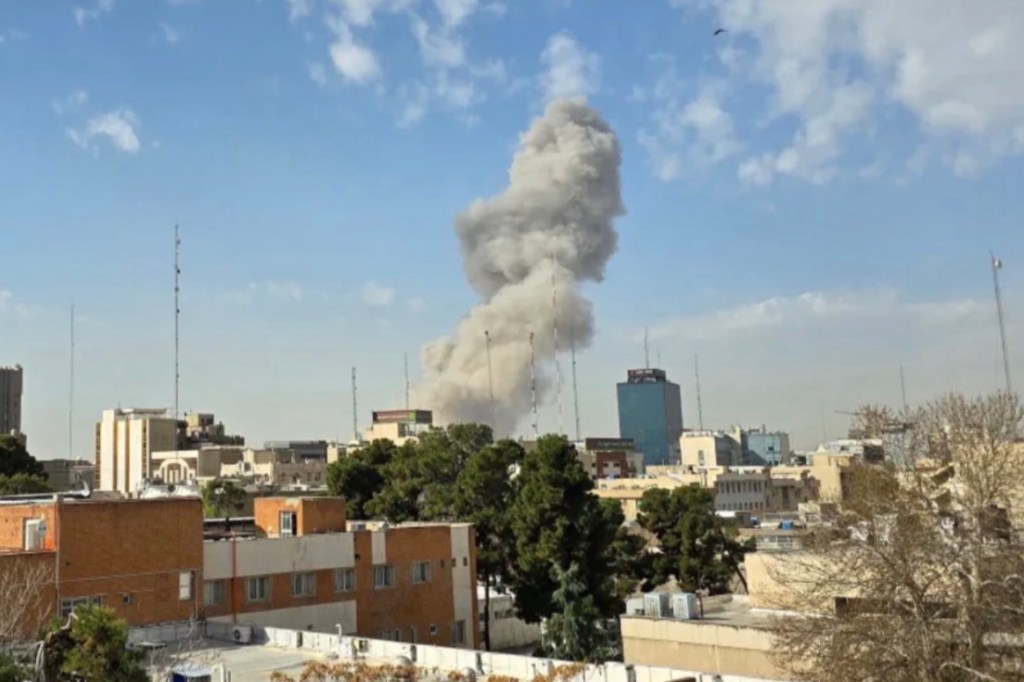
Photo from Getty Images on aljazeera.com: https://www.aljazeera.com/news/2026/2/28/us-israel-bomb-iran-a-timeline-of-talks-and-threats-leading-up-to-attacks
In late February 2026, the United States along with Israel had launched airstrikes on Iran, targeting military and nuclear-related sites. The attacks marked the beginning of a larger conflict that affected not only the region, but also the global economy.
As fears over war expanded, oil prices had rose, which led to a noticeable increase within gas prices across the United States.
One of the main reasons for the increase in gas prices is Iran’s location near the Strait of Hormuz, a narrow but very important waterway that carries a large amount of oil supply.
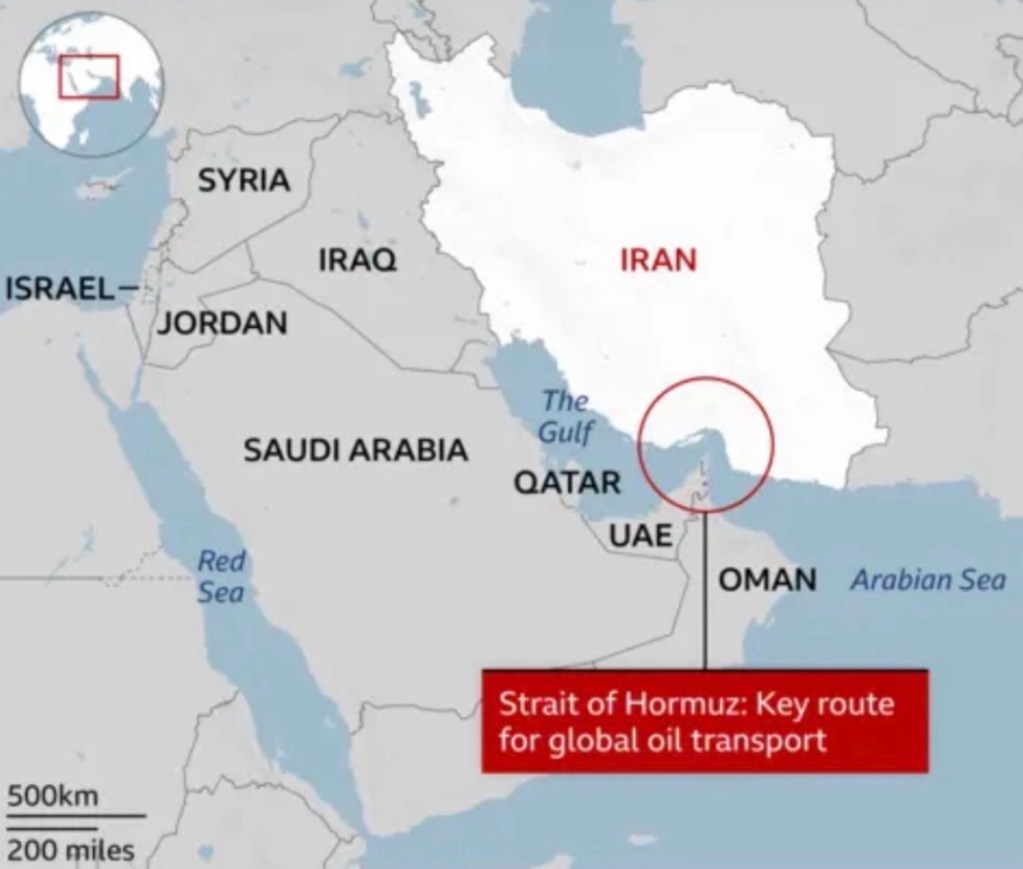
Photo from BBC: https://www.bbc.com/news/articles/c78n6p09pzno
Since the oil passes through this route, anything with military activity, threats of closure, or shipping delays can bring panic into global energy markets. This includes the possibility of disruption is enough for oil prices to rise.
Given that crude oil prices are going up, gas prices through the United States usually increase as well.
Throughout March, many drivers began noticing higher prices as gas stations, which has added more pressure to households that already deal with inflation and high living costs. For people who travel often, commute daily, or drive to work, even a little increase in gas prices can affect them financially.
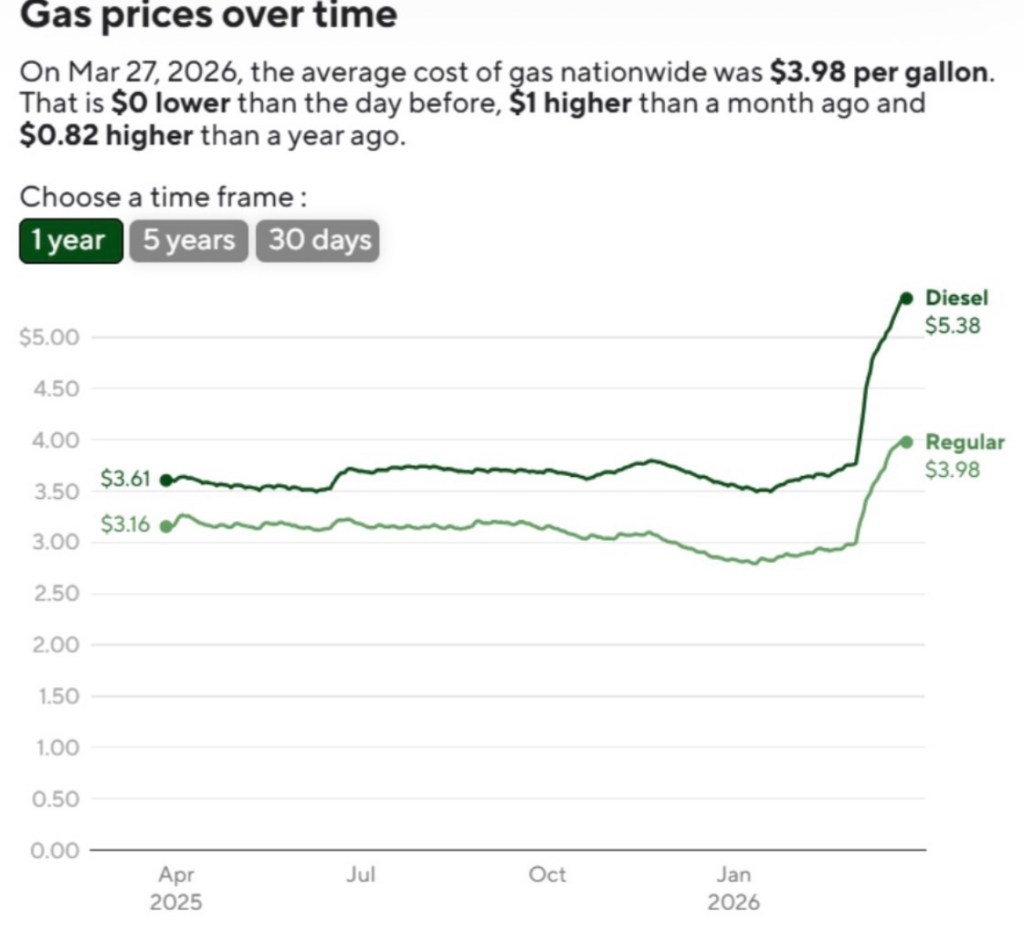
Graph from CBS NEWS: https://www.cbsnews.com/news/iran-war-recession-risk-oil-prices-inflation/
The increase has a wider impact on the world, not just on transportation. Higher fuel costs can often lead to more expensive shipping and delivery services, which can eventually affect grocery prices, retail goods, and airline travel. In that way, a war that takes places overseas can influence everyday life for Americans at home.
Uncertainity has become another major concern.
When global conflict involves countries that are connected to oil production and trade, markets tend to react strongly. As investors and energy companies begin to prepare for possible shortages, and that fear can bring prices higher.
At any case if the conflict continues or worsens, the United States could see more increases within gas prices in the next weeks.
The result of this conflict depends heavily on whether tensions begin to calm or escalate. If oil shipments through the Strait of Hormuz remain unstable, gas prices will likely stay high or might increase even more.

Photo from abc7: https://abc7ny.com/post/inflation-record-high-gas-prices-tristate-new-york/11868636/
However, if the situation improves and oil supply routes return to normal, prices may eventually stabilize.
As of now, the rise in gas prices shows how closely connected the world economy is. A conflict that is happening overseas is already affecting daily life in the United States, showing that the effects of war are often felt far outside the area of direct conflict.
