
LGBTQ+ students are given a space to ask their most intimate questions and expand their knowledge on what they think they know about sex.
By Rossani Garmendia

CSI provided their LGBTQ+ community with a monthly “queer sex talk” in support of students’ discovery in comfortability within their sexuality and preferences in the bedroom.
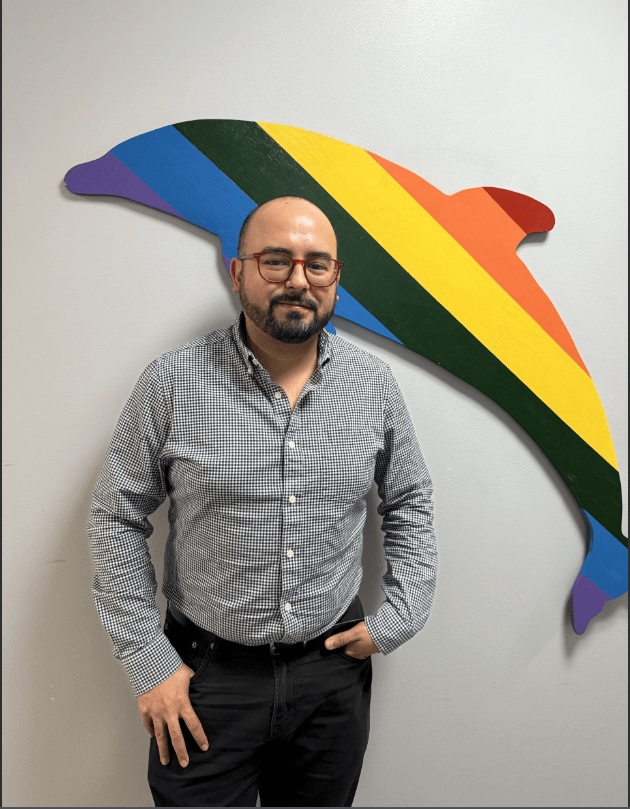
Jeremiah Jurkiewicz, the assistant director of social justice for the LGBTQ+ Resource Center, pushes these talks in the hopes of the community expanding their minds of what queer sex is. Students may think there is no more to learn besides the basic thrust. However, Jurkiewicz looked to spread the information that all sex is not the same. Every student learned of sex in their own way, but not every student was able to ask questions or understand the true intimacy and passion while having sex.
“Growing up in a Catholic Church, how many of those men were gay and ashamed or repressed,” said Jurkiewicz. “The lack of conversation around sex can play into rape culture as those same men took their repression out on young boys at church.”
One of the two guest speakers Jurkiewicz invited to the queer sex talk, a health educator, argued that society does not touch enough based on the explorations during sex. A student may not know how to express their likes and dislikes or even understand their own body. While that is a possibility, how would they handle it? The health educator expressed their experience while having a talk with a student that questioned their sexuality. They went on to explain that students of LGTBQ+ should not view sex as a taboo, but as a choice. Their body is their rules regardless of their sexuality.
“Sex is more than just this penetrative act you’ve seen in the movies, it’s intimacy,” the health educator said. “They might be with a woman, they might be with a man, but they want this intimate peace that no one talks about.”
Every month is a new session of discussion from consent to foreplay, to kinks and pleasure. The topic of this month’s talk was “pleasures”. The other guest speaker present was a prevention manager who spoke to the younger LGTBQ+ community to help embrace the idea of sex among all genders and how to find their desires with their partners.

The prevention manager showed diagrams of the vagina, penis, and discussed the different ways there are to have sex. Not stopping at the charts, but as well as the different G-spots of the female and male anatomy. The objective behind spreading this knowledge is so any LGBTQ students can embrace the idea of intimacy and understand how one’s body can operate especially with their chosen partner or partners.
“Something I was taught in school was that when counseling someone, you cannot be the most uncomfortable person in the room,” the prevention manager said. “In queer sex talk, we’re just talking about a more inclusive sex education.”
Jurkiewicz reported an average of five to ten students that normally attend the queer sex talks. But there were students of the LGBTQ+ resource center that found themselves exiting as soon as they were told this week was the talk. This was one of the reasons behind Jurkiewicz’s motivation for their monthly sessions.
So that students of LGBTQ can turn the other cheek towards ignorance and accept who or what their body would like to embrace. Jurkiewicz wants as many students as possible attend so others may hear the different situations students experience. A space is created for curiosity to be explored.
“Knowledge is power and freedom so you as an individual get to find your freedom in your likes and dislikes,” said Jurkiewicz. “Sex and knowledge of our bodies is linked to our freedom as people.”
