
Exploring CSI’s Counseling Center to see how support services aim to make mental health care approachable for students.
By: T.R. Jamaleddine
On a typical Tuesday afternoon, CSI counselor Danielle DePalma can be found in Building 1A-109 with Hope—the facility therapy dog she’s certified to handle. Together, they host “Dog on Duty” hours from 2:30 to 4 p.m. at the Counseling Center—an open, drop-in space for students seeking a sense of calm amid the hectic pace of classes.
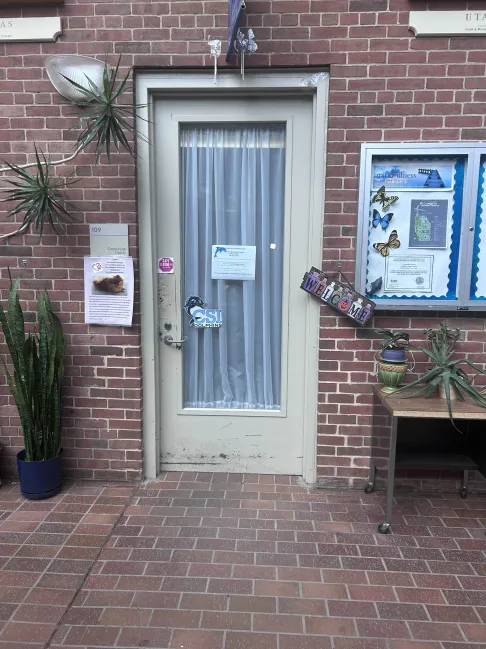
Hope brings a unique approach to counseling on campus. DePalma explained that her presence helps students feel emotionally supported as they navigate whatever challenges they may be facing that day.
“The act of petting a dog can have a calming effect and helps students feel more comfortable, when opening up to a counselor,” said DePalma. “Additionally, using mindfulness skills while petting the dog can help students stay grounded in the moment.”

Understanding mental health throughout the college community involves many layers. At the core of that, DePalma knows stigma can make seeking help difficult for students. She points out that recognizing what it means to open up to a counselor is an important step toward feeling supported.
“We are bound by confidentiality,” said DePalma. “Reiterating confidentiality to students, especially in moments of crisis, we won’t be sharing their personal stories or history of trauma with others. We want students to feel safe and supported, so that they can open up and disclose information that we can help them process in order to heal from their past trauma.”
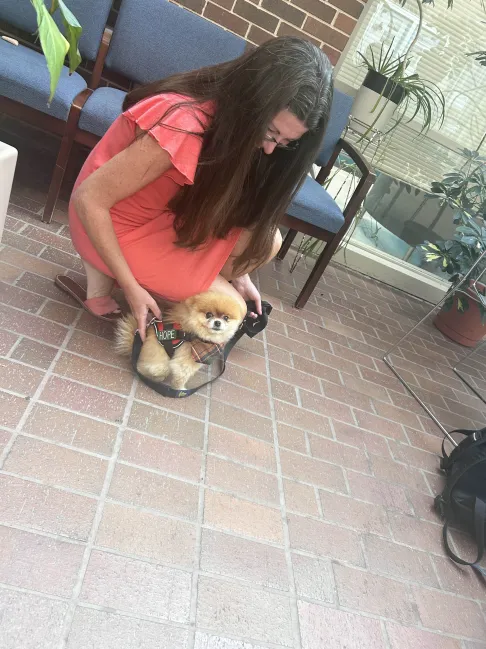
Sometimes, just getting through the door of a counseling center is the hardest part—and DePalma understands this. The office works together to maintain a positive, welcoming environment for students. Upon stepping in, you’re greeted with calming sounds, soft lighting, and comforting scents.
Students are more likely to seek support in a space that not only offers resources but also provides a sense of comfort. CSI’s Counseling Center, staff strive each day to ensure the office embodies exactly that.
DePalma’s colleague, Michele Karpeles, a member of the Counseling Center’s support staff at CSI, recognizes the importance of that first interaction and how it contributes to a student’s care moving forward.
“I think students feel at ease when they first come into the office because it’s a welcoming environment,” said Karpeles. “Students are greeted with a smile and with a ‘hello, how can we help you?’ We want every student to feel they are in a safe space.”
Counseling services are available 24/7. When you call the Counseling Center, someone will always be there to answer. DePalma stresses the importance of knowing this. Students can meet with a counselor on duty by calling 718-982-2391 or by emailing the Center at counseling@csi.cuny.edu.
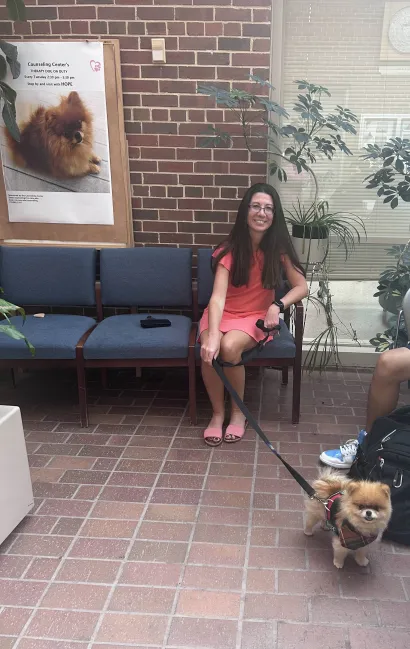
Support does not stop after hours, DePalma emphasized. The Counseling Center’s phone line is forwarded to a hotline service called Protocall to ensure that help is always available for students—any day, any time.
DePalma remains committed to helping students navigate the challenges they face. More than 20 years of experience in counseling and crisis intervention,she has served at CSI since 2008, playing a key role in shaping how the Counseling Center supports student mental health.
Over her years at the Counseling Center, DePalma has observed a steady increase in students seeking support, reflecting a growing openness to therapy and awareness of campus resources.
DePalma emphasized that continued funding is essential as more students seek support. She noted that Counseling Center services are free and included in tuition, adding that financial backing allows the Center to fully accommodate every student who walks through its doors.
“Funding is a priority; it shows people this is important and valued,” said DePalma. “It helps when administration values mental health.”
