
From Dreams to Directing Scenes
By: Luke Montalvo
For students hoping to make it in the film industry, a combination of developing experience, hard work, and persistence is essential to success.
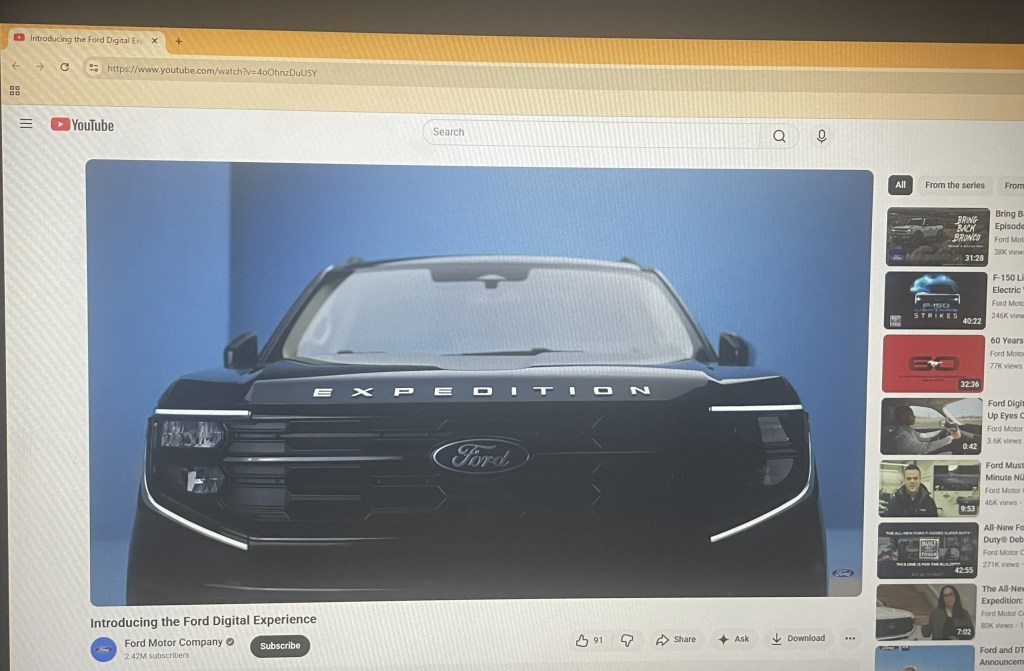
Matt Provenzano, a 2017 CSI graduate, has been working as a video editor for Ford Motor Company for the past two years. He has produced various commercials, edited social media content, and even made several pitches to the company. Prior to this, Provenzano frequently created videos for fun, so that he could sharpen his technical skills and get his foot in the door.
“Ever since I was one digit old, I wanted to create films and see people react to the things I made,” said Provenzano. “I have had so many opportunities just because I edited some small projects in the past.”
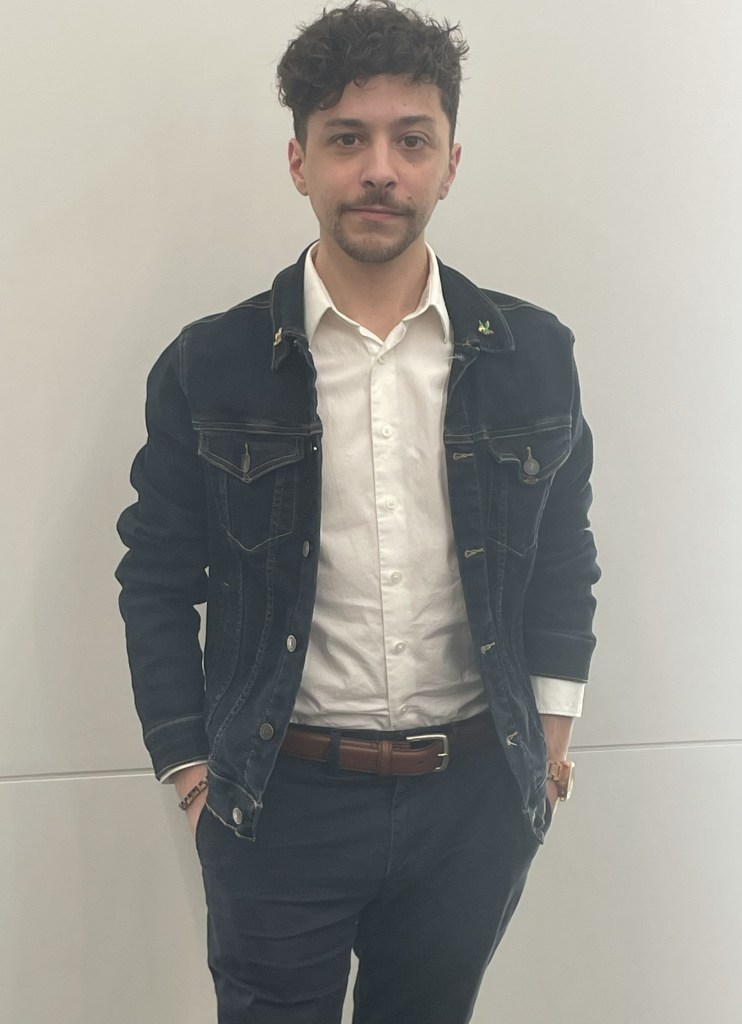
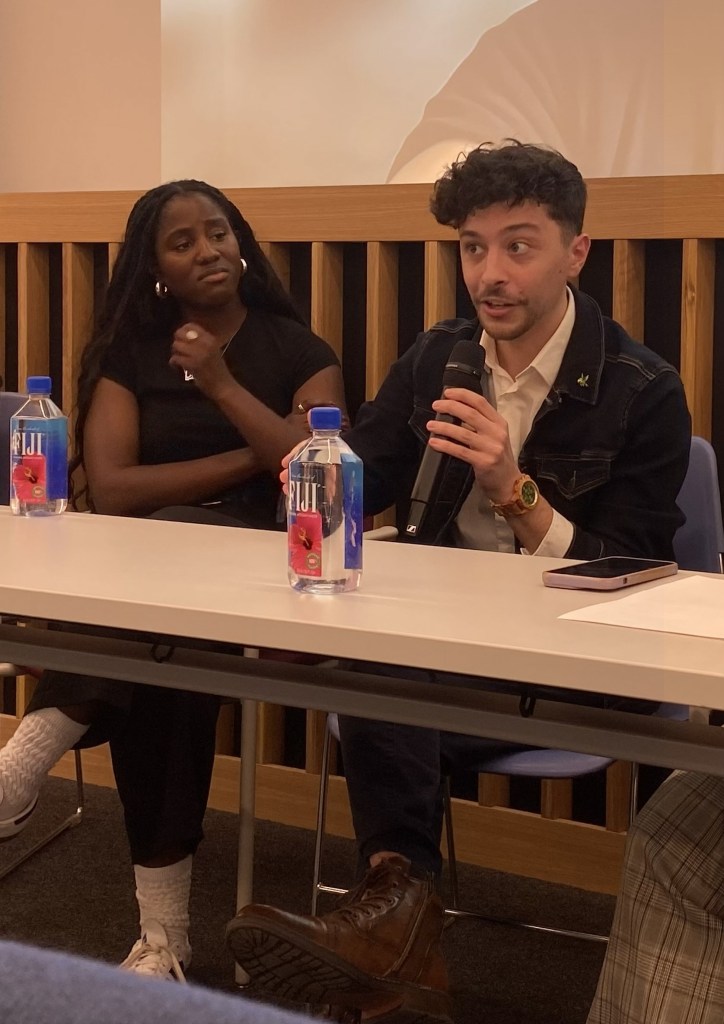
At the From Campus to Career event, hosted by CSI’s Department of Media Culture, Provenzano and other alumni shared their experiences and advice in cinema and communications to help current students navigate through their paths into the film industry.
One of the biggest pieces of advice that Provenzano shared with the audience was the importance of building a portfolio early on, and then continuously adding onto it. He spoke about how he had previously worked with Visiontech and The Drone Racing League as a video editor, thus leading to his position with Ford.
Similarly, Edward Miller, a Media Culture professor at CSI, encourages students pursuing a career in cinema to complete internships relating to filmmaking or the sector of cinema they are interested in. Through these internships, students will be able to establish connections and interact with people that may have more experience in the field.
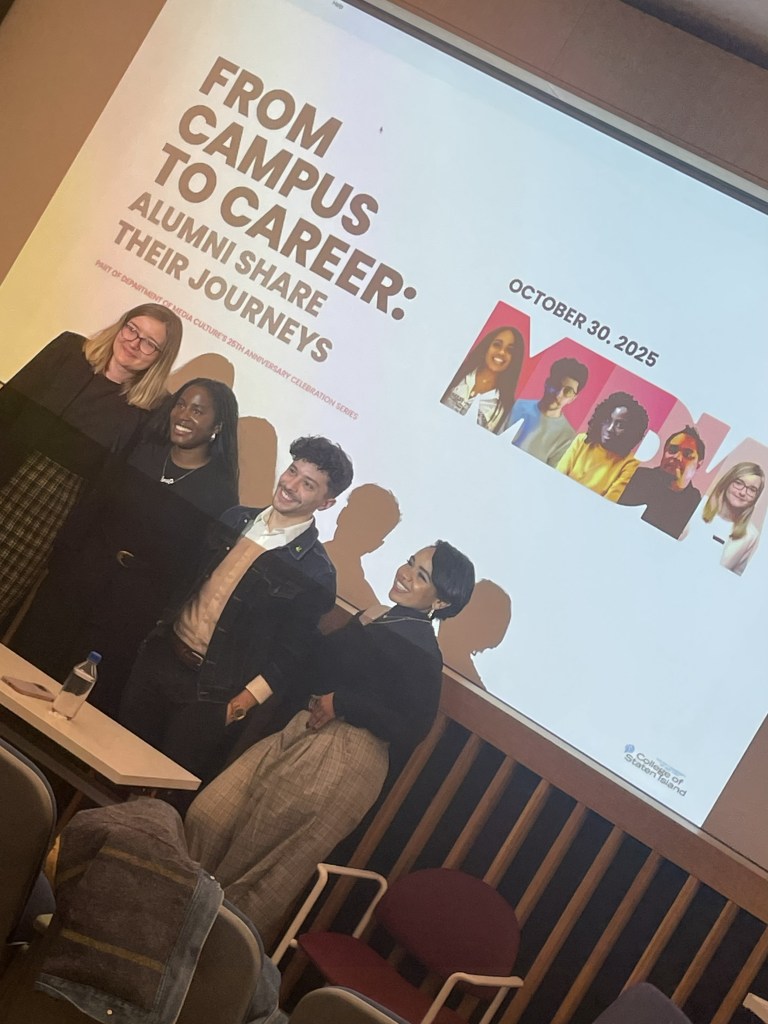
“Your faculty and professors are great resources, so try to develop a mentor-mentee relationship with them,” said Miller. “As students, you should also be creating a network of alumni and current students, so you can use each other as contacts when it comes to job hunting.”
The U.S. Department of Labor indicates that roughly 70 percent of total jobs are found through networking, reinforcing Miller’s point about making connections early.
Another key takeaway from the event was the growing influence of Artificial Intelligence (AI) on film production. Each of the alumni noted that they had witnessed AI significantly impact their field, and it is not going anywhere.
According to Statista, about 80 percent of movie, television, and animation companies have utilized AI in some aspect of their creative process. Further, a recentsurvey indicated that about nearly twenty percent of jobs in the industry may be negatively affected by 2026 because of AI eliminating or merging existing positions.
Nicholas Garofalo, a student who enjoys learning about the film production process and even just watching movies, expressed some of his concerns regarding this advancement.
“I believe AI could have both positive and negative impacts in film, but mostly negative,” said Garofalo. “As AI becomes more common in the world today, it might replace CGI, and even people’s jobs in the industry.”
Provenzano acknowledged that this rise may seem intimidating at first, but AI could be seen more as a tool rather than a threat if used correctly. He added that AI can be used to help brainstorm ideas and quickly outline information, so it is an assistant rather than a replacement for creativity.
Miller also said that students shouldn’t fear AI because it is not an autonomous being. At the end of the day, humans still control the way it operates, so he highlighted that students should continue learning their craft on their own.
The event underscored that no matter how much technology evolves, filmmaking still relies on human originality, collaborating with one another, and having a constant motivation to succeed.
“Filmmaking isn’t just about pointing a camera at someone and plugging in lines,” said Provenzano. “It’s all about the personal satisfaction of the work you put in—learning something from scratch and showing what you are capable of upfront.”
