
As students open up about their journeys, new resources and support take center stage.
By: Justina Muniz
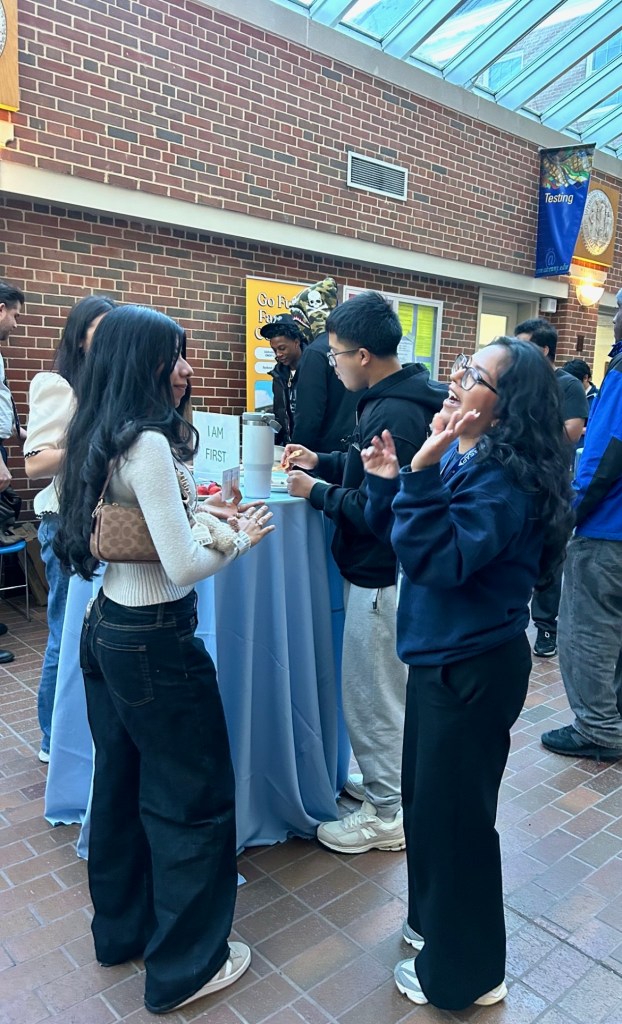
More than a hundred first-generation students gathered around tables filled with food, school spirit gifts, and resource packets. However, the most powerful moment was when students openly admitted that they often feel lost and are unsure on how to navigate college without family guidance. That vulnerability set the tone for a day focused on overcoming fear and building a community where no one has to navigate college alone.
The challenges extend beyond the classroom. First-generation students regularly face obstacles that their peers may never experience. These include managing financial aid on their own, explaining academic expectations to families who aren’t familiar with college, and carrying the pressure to succeed not just for themselves, but for entire households depending on their future.
These experiences were shared throughout the room, especially when CSI director and alumna Jennifer Durando spoke about her own first-generation background. She recalled how it felt to enter college with no roadmap, confused and isolated.
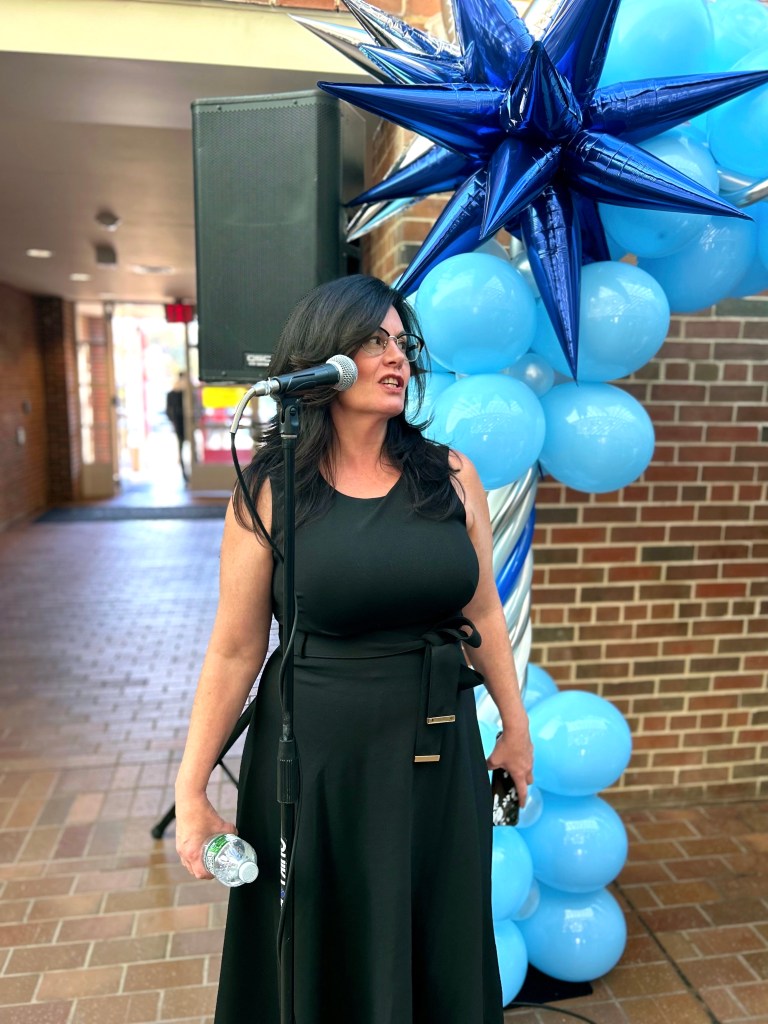
“Everything felt absolutely frightening because I had no idea how college worked – financial aid, the bursar office, who to ask for help, I was completely lost,” said Durando. “I leaned on my peers until I realized there were people here who truly wanted students like me to succeed.”
Her experience motivated her to guide first-generation students through the challenges she once faced alone.
According to Firstgenforward.com, 54 percent of college students today are the first in their families to pursue a degree in the United States. This reinforces how common it is for students to navigate higher education without family guidance.
First-year transfer student Johny Fieumefreddo spoke about his supportive, yet challenging, transition to CSI.
“People try to help when I reach out, and that makes the process feel less intimidating, although it’s still difficult at times,” said Fieumefreddo. “Even though my parents didn’t attend college, they give me any advice that they can, and help with tuition however possible.”
Fieumefreddo also credited the ASAP program for making a difference, explaining that it helps him to understand things he wouldn’t have known on his own.
The emotional pressure of being the first in one’s family to attend college appeared repeatedly in conversations throughout the day. Freshman Evelyn Lopez, who hopes to study graphic design, shared a very personal story.
“Although my parents are supportive, they can’t help with homework or studying because they never went to college,” said Lopez. “My cousin passed away, and he was the only relative that I had in the United States who attended college. I want to finish the degree my cousin never got to complete and be the first in my family to graduate.”
As CSI President Timothy Lynch shared his own first-generation journey, many individuals smiled, nodded their heads, and wrote down notes, finding motivation in his inspirational experience. Growing up in public housing, he faced many doubts and worried about his future. As he made his way through college, he became determined to remove the stigma and offer resources so students do not feel abandoned like he once did. Lynch’s journey from the projects to the presidency shows how support and determination can transform a life.
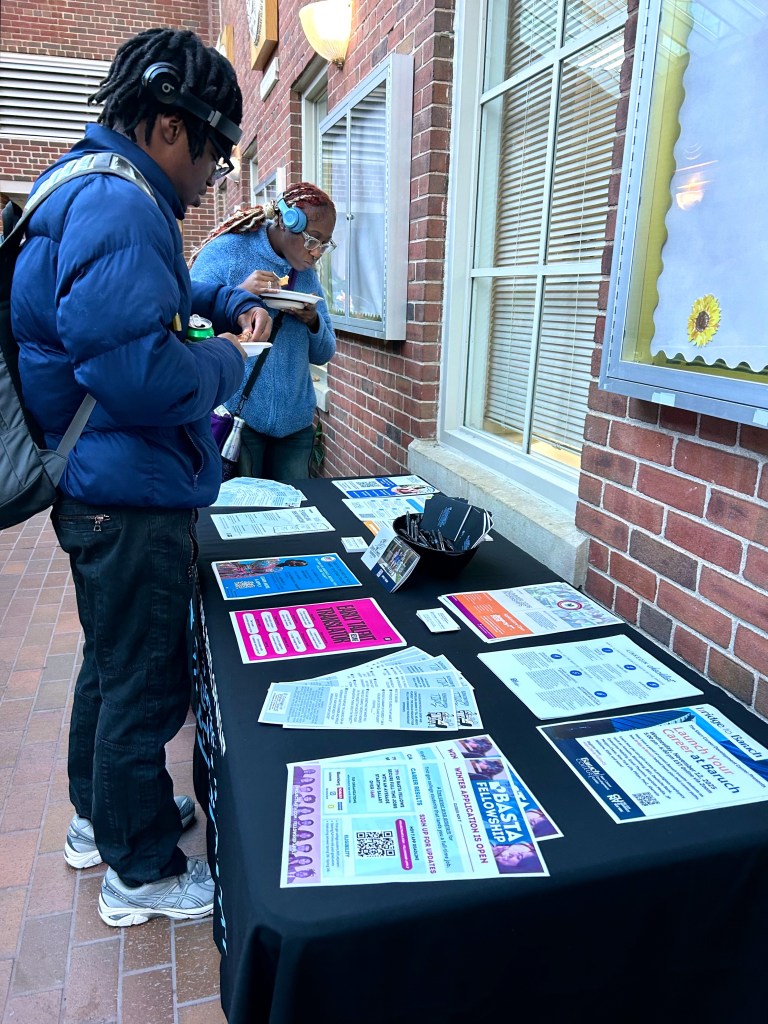
Advisors and tutors passed out flyers on resume building and internship opportunities. Counselors offered tips on elevator pitches and professional communication, which can be critical for students whose families may not have experience working. For families facing poverty, information on loan applications and financial aid can impact a student’s future.
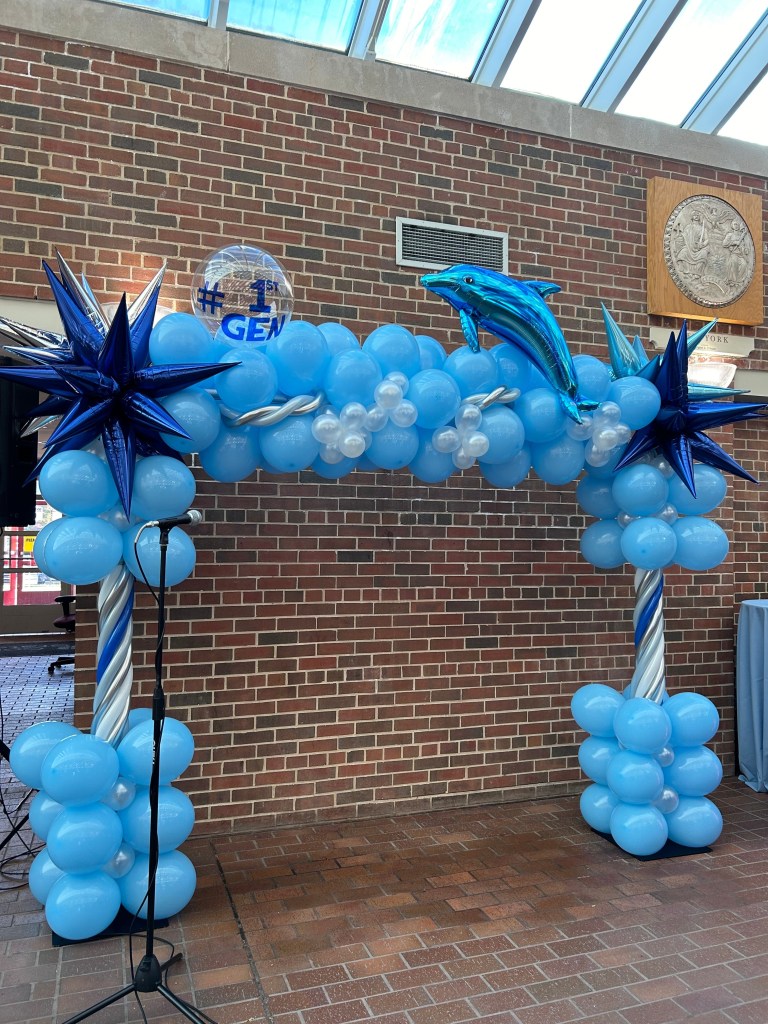
Blue and white balloons hung throughout the halls, and tables offered keychains, notebooks, backpacks, and other college necessities. A buffet of pizza and desserts encouraged students to socialize and build connections with peers who share similar experiences. In small but meaningful ways, the environment reminded students they are part of a larger community.
“Being the first is never easy,” said Lopez, “but it makes the achievement feel even bigger.”
