ASAP student leaders offer tips on free, used, and digital books as spring term orders approach.
By: Joseph Lonardo
Rising textbook prices for the spring term force CSI students to plan during winter break and share ways to cut costs.
Spring classes start in late January, but students decide on books in December as class lists and book orders appear.
Some students place orders through the campus bookstore site, while others search the web for lower prices.
“I search online for a free PDF or library copy first, and I wait two weeks to see if the professor uses the book,” said Browne. “That way I do not spend money on a text that never shows up in class.”
Student leaders in the ASAP program meet with peers who ask how to keep textbook costs low for the new term. They hear questions about digital copies, used books, rental deadlines, and refund rules for texts that a class barely uses. Their advice centers on early planning and shared tips that prevent last minute stress and high book bills in January.
Many students check course pages and the campus textbook site when spring schedules appear, then search other sellers for used copies, rentals, or digital access. Some classes use online platforms that bundle homework and book access in one fee students cannot avoid. For those codes, the ASAP textbook stipend can cover part or all of the cost.
The bookstore refund policy allows returns two weeks after classes start or thirty days after an order. Students use this rule and wait to see how a professor runs the class before they keep a book. If the text does not appear in assignments, they return it and look for a cheaper option or a shared copy.
“I look on Google and ask students for used copies before I pay for any new book,” said Rodriguez. “If I still need it, I buy a digital version because it costs less than a hard cover.”
Price checks happen in many forms as students prepare for spring term costs. Some browse used book sites, others ask classmates to buy last year’s copy, and some split one book across a study group. Each step aims to avoid full price for a book that may serve one class.
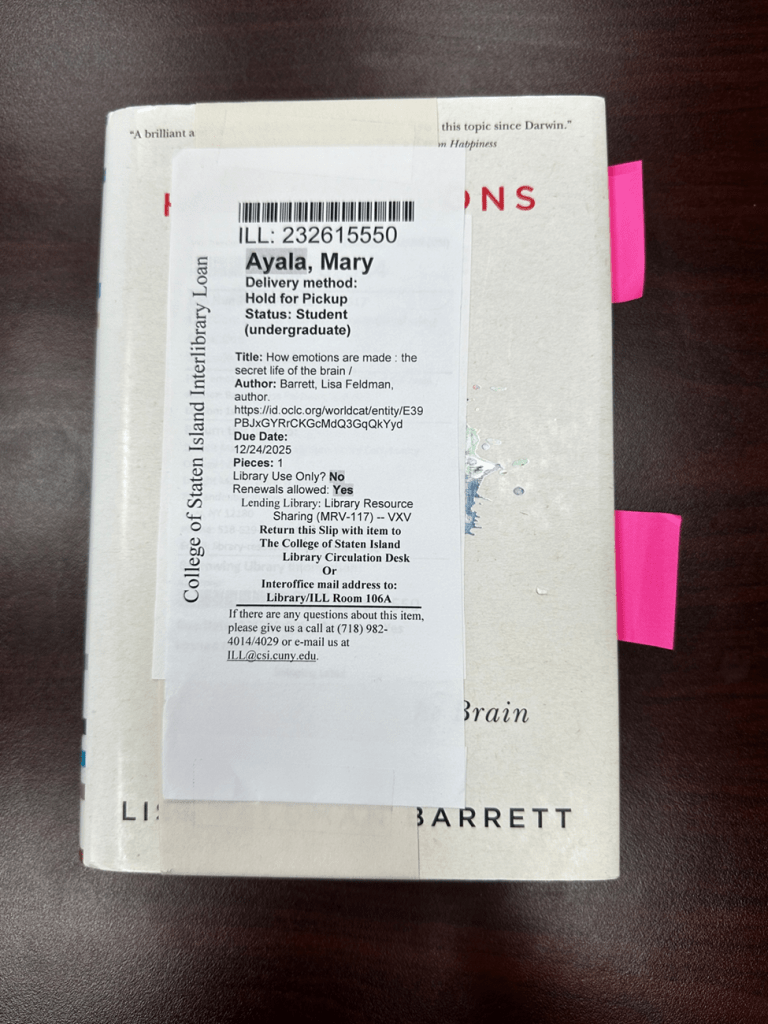
Library options play a role in spring plans. Interlibrary loan allows students to borrow books from outside CSI when the campus library does not have a title. The library posts scanned chapters for some courses through its reserve system.
“I use the library and interlibrary loan when I need a book, especially if the price is high,” said Ayala. “If I find out the class will not use it much, I can return it and avoid that full cost.”
Students in majors with reading loads, such as psychology and business, plan further ahead. Many expect high prices for books and try to match each title with a free PDF, a library copy, or a rental plan. Those who receive the ASAP stipend reserve part of that money for access codes and digital platforms that are hard to avoid.
ASAP leaders see textbook planning as part of an effort to keep students in school. Texts, access codes, and fees can add hundreds of dollars to a term, even for students who receive aid. Peer advice about low cost options can help keep students in required classes instead of dropping over a missing book.
The campus bookstore website lists rental, used, and digital prices for each title for the term. That list, together with searches and library tools, gives students more than one path to the same book. The challenge is to match each course with a mix of formats that keeps cost down.
“Wait for the first week, listen to how the professor will use the book, and then decide if you truly need to buy it,” said Browne. “That one step can save extra money for the new term.”