
After completing four years of college education, seniors feel anxious entering an unknown job market.
By: Glory Palafox
A graduation cap decorating event will be held May 14 in 1C. While many alumni are getting ready to smile for the camera, they still have one question in the back of their mind; what will my life look like post graduation?

Not all CSI seniors have a job lined up post-graduation. Students invest thousands of dollars into their college tuition, but a degree no longer guarantees financial stability. Students feel unsupported as they transition into the workforce.
Young adults’ views on the job market are typically negative. A.I. threatens to take many entry level jobs, many of which would have traditionally been available to fresh graduates.
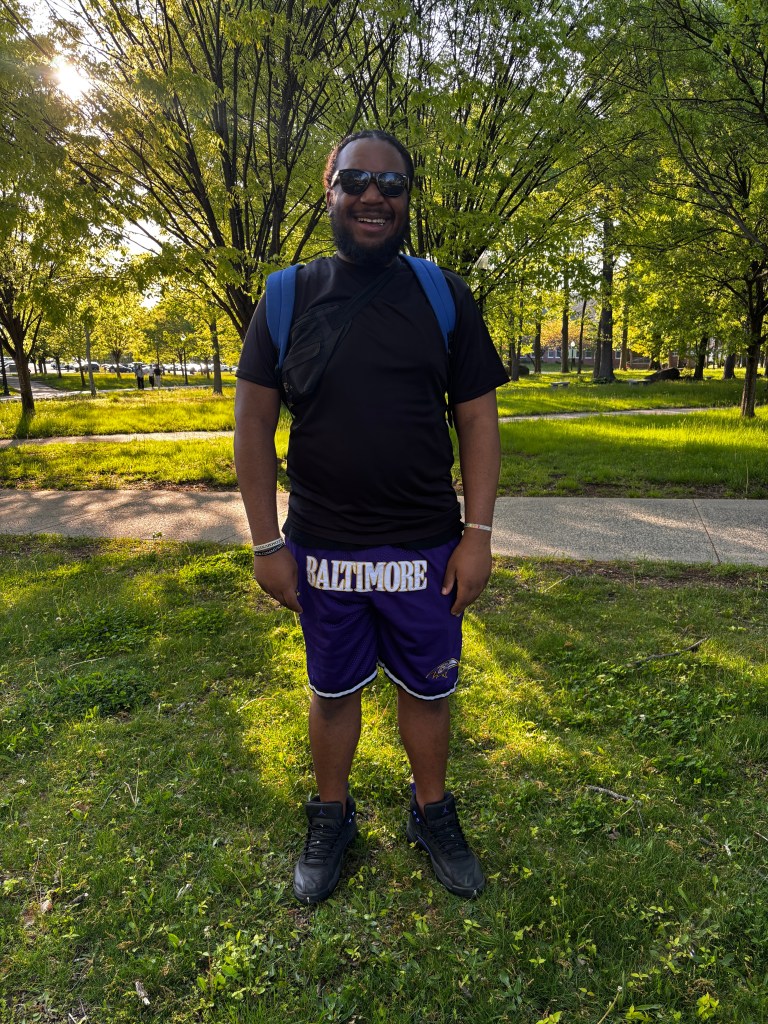
“I don’t have a job lined up since I don’t qualify for most of the jobs with a salary paying enough for me to quit my part time,” said Kyle Cicero. “I have been applying to different opportunities since I became a senior.”
Having a bachelor’s degree just isn’t enough anymore. Many jobs require years of professional experience for an entry level position prior to applying. In fact, the job market has become so rigid that even Harvard M.B.A. holders struggle to obtain a job.
Some internships “pay in experience” but unfortunately experience doesn’t pay the bills. Other internships pay a few dollars above minimum wage yet are only temporary.
There are “ghost jobs” infiltrating the job market. Employers list perfectly normal looking jobs without any real intention of hiring. This inherently increases competition amongst internal employees to promote productivity while simultaneously saving company profits.
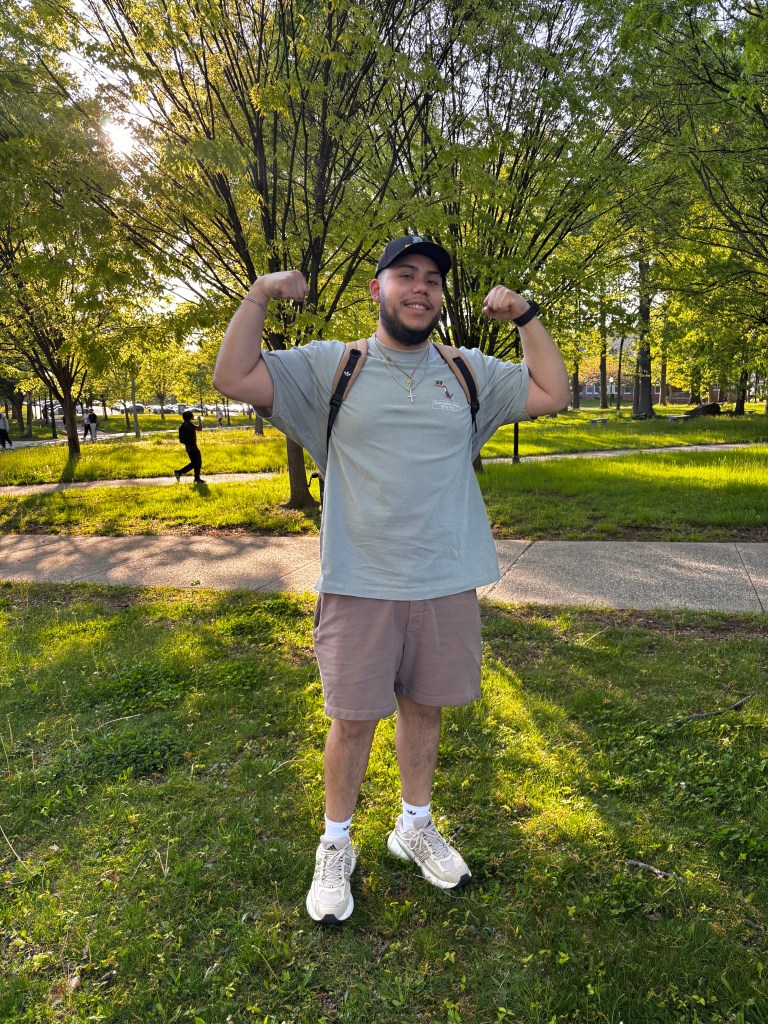
“I have to finish my degree next semester in order to attend grad school,” said Alberto Aguilar. “I want to accomplish getting a master’s degree to build connections in order to start job hunting.”
It’s not about submitting an impressive resume anymore, it’s who you know. But people aren’t just getting rejected from job listings; people are becoming employed through internal networks and employee referrals.
85% of available positions are never publicly announced due to the “hidden job market.” Students like Aguilar are looking to continue their studies in hopes of securing a job.
“I am not prepared to graduate because I feel like I need to master my writing skills,” said Aguilar. “I need to make sure I can attend grad school and ensure I am ready for it.”
CSI doesn’t effectively help prepare students to enter the real job market. With many support events being held during club hours, working students aren’t able to attend such crucial meetings.
Several events were held on Zoom to make the information accessible, but it is difficult to make life changing relationships over a screen. The career readiness meetings should be recorded and posted online to reach more students.
Academic advisers often take several business days to respond to students seeking urgent assistance. Some students reported not feeling supported by their advisors, often taking unnecessary classes, to fulfill their FAFSA credit requirement delaying their graduation. One graduating senior seeking employment anonymously admitted to feeling frustrated due to their advisor not knowing the answer to their question.
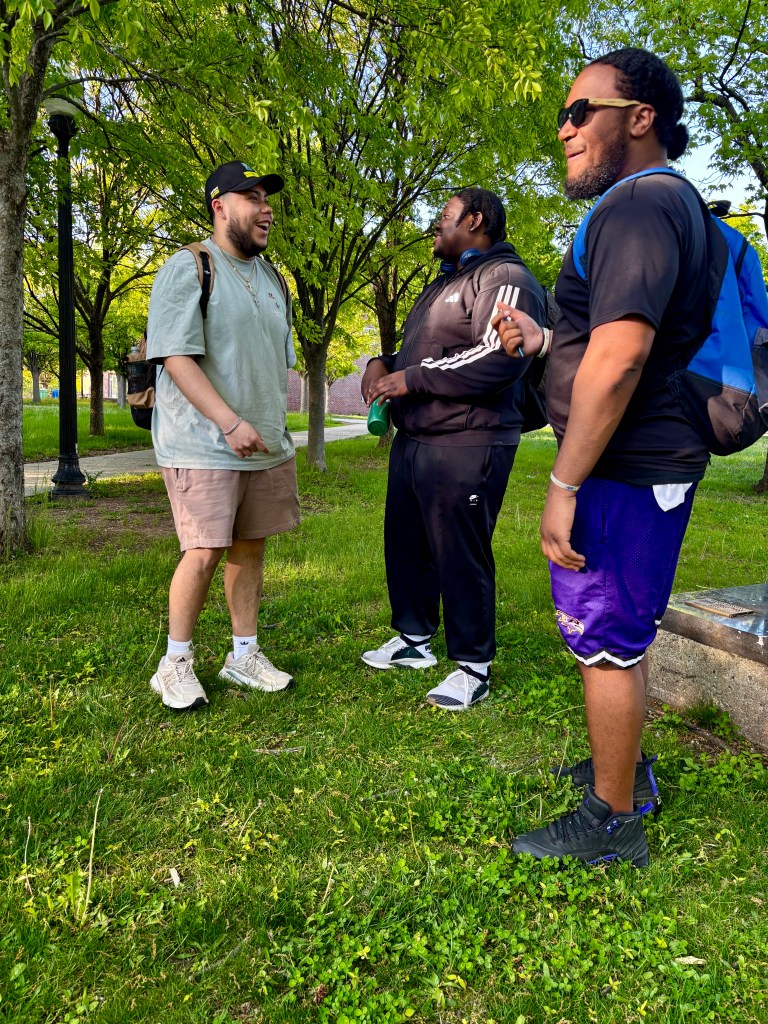
With a degree in hand, Alexandra Chirinos has decided to take a different approach to the job market. She is exploring specific professional certifications. Trade school has become quietly popular due to its low debt and high demand.
“I’m mostly aiming to get accepted into a radiology technologist program,” said Chirinos. “The program will grant me two years of schooling and upon getting certified, I can begin working as a radiology technologist.”
