

By: Jasa Sarker and Natalia Zajac
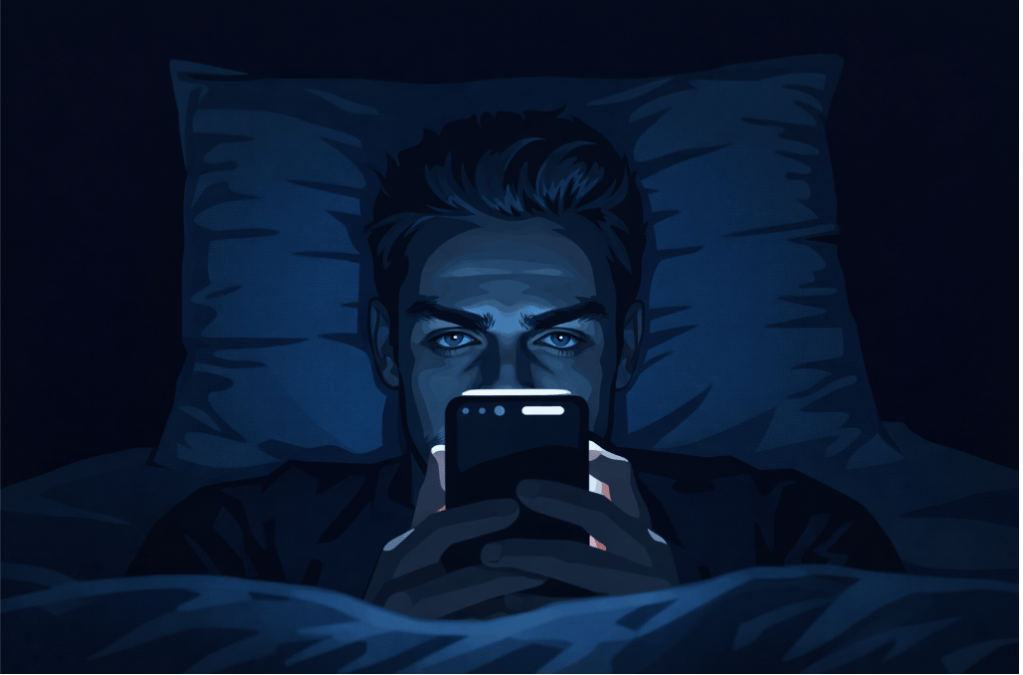
We’ve all done it; told ourselves that we will only spend a few minutes watching one video, sending one message, or browsing social media before bed. One minute, then it’s ten past midnight, and we can hardly keep our eyes open, but our brains refuse to sleep.
Screen time before bed cannot only affect our sleep patterns, but it can also disrupt the way our brain works.
One major effect of using screens close to bedtime is the amount of blue light they emit. Blue light is found in electronics, phones, laptops, and televisions, and can throw off the body’s natural melatonin cycle. Melatonin is a hormone produced by the body in the evening to signal that it’s time to sleep. Blue light stops our bodies from producing melatonin, and ultimately stops us from sleeping.
Light isn’t the only factor affecting our sleep, though. Our natural circadian rhythms are affected by the kind of content we engage with on our phones and can cause our brain to remain in a state of being awake. When scrolling through social media or watching TV before bed, people tend to watch content that excites them or keeps their brains active. Whether that’s a dramatic fight breaking out in a group chat, or a shocking headline on the news, these things can prevent your brain from slowing down and preparing for sleep. Worse yet, if you sleep late because of screen time, it can disrupt your entire sleep cycle. You might not get as much sleep as you need, or won’t be able to fall asleep as easily the next night.
One of the biggest ways screens before bed can affect our sleep is by the way we behave around them. Screens are made to be engaging, and there is almost always more content to consume. The next ‘five minute’ scroll will turn into an hour, and that hour will ultimately be stolen from your sleep. Lack of good sleep means a lack of good brain function the next day.
When we sleep, our body regulates all the processes that occur while we’re unconscious. That includes our brain function. Good and healthy sleep is essential to memory, learning, regulating emotions, and bodily functions. If we don’t allow ourselves to sleep well, we’ll be groggy, irritable, and unfocused the next day.
Luckily, there are ways to avoid these negative effects. Putting your phone down an hour or so before bed, dimming the lights, and putting your screen on night mode can all help us get a healthier sleep. Even better, try replacing some screen time for relaxation.
Instead of scrolling mindlessly before bed, try reading a book, listening to music, or relaxing in bed. Screens aren’t going to hurt us if we use them responsibly, and in moderation.They are a large part of everyday life, and there’s nothing wrong with spending time watching TV or engaging with online content. It’s doing these things right before bed that can hurt our sleep patterns and keep us from having healthy rest. Sometimes, the best thing we can do for our brains is to put the phone down and allow ourselves to sleep.
