
As CSI’s women’s flag football grows, Jennaco focuses on developing female athletes and building a sustainable future for the sport at the collegiate level
By: S. Manai
It finally dawned on Coach Frank Jennaco, who watched from the sidelines as the team he coached tirelessly week after week clinched their fourth victory that day to make history as CSI’S first ever NCFFL champions on their home turf.
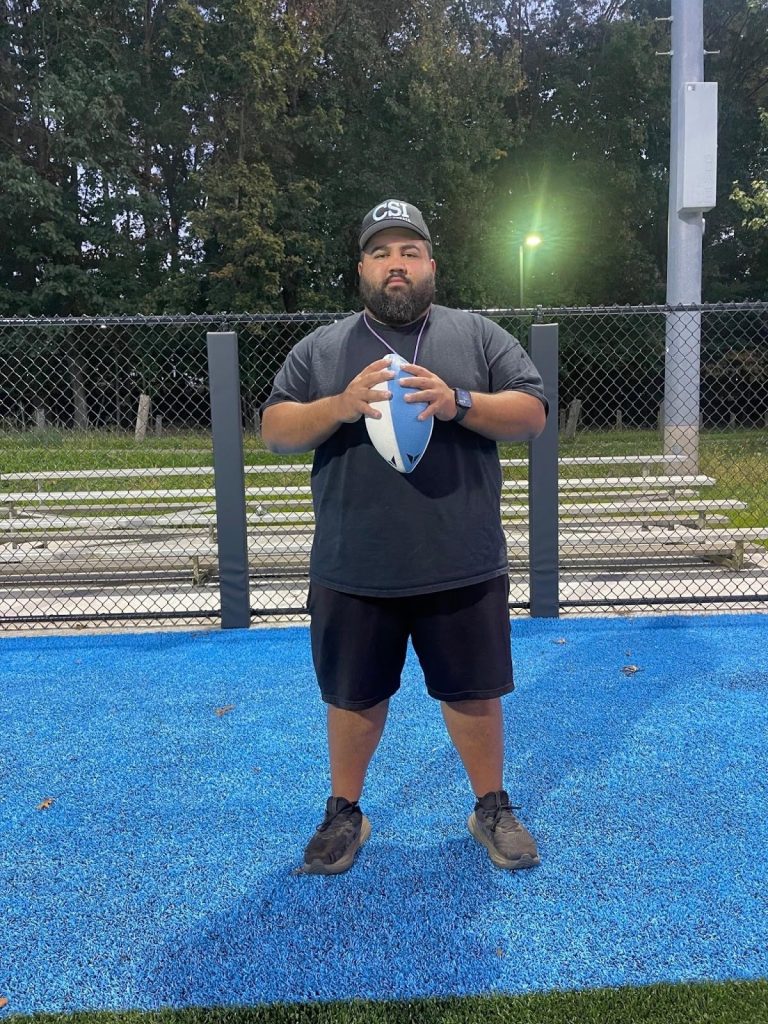
Jennaco is a well-established coach in the flag football world, coaching boys, and girls across multiple age groups in multiple leagues across Staten Island. He is the founder and director of two of those leagues. He is also currently the head coach of CSI’s women’s flag football team
“I think that female athletes are easier to coach,” said Coach Jennaco. They’re better listeners, better at execution, they’re very good at taking direction. They’re eager to get things right, female athletes are perfectionists.”
Women’s flag football has gained traction at both the high school and college levels in recent years despite being considered a recreational sport for so long. It is now creating opportunities for female athletes to compete, receive athletic scholarships, and possibly compete in the LA 2028 Olympics, as flag football recently became an Olympic sport.
The NFL’s executive vice president for football operations, Troy Vincent, called flag “the future of the game of football.”
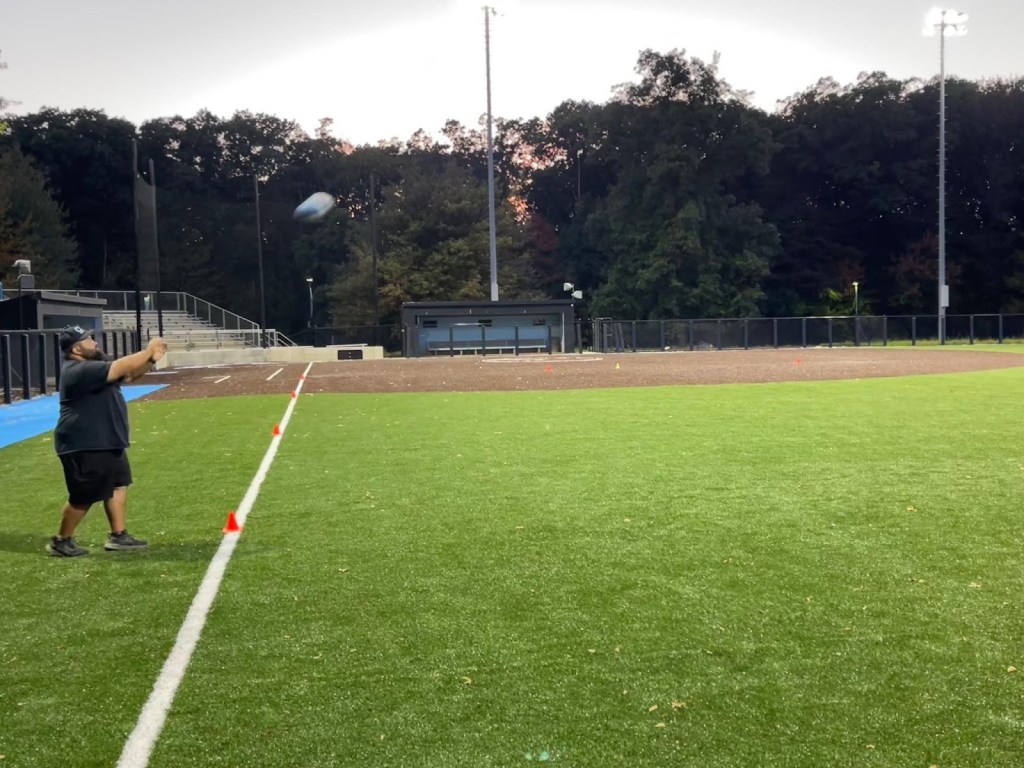
Currently, at CSI, women’s flag football operates as a club team due to the lack of NCAA recognition, but once sanctioned, it can become a varsity sport and offer scholarships supporting student-athletes. Many flag football programs across the country cannot offer scholarships and work with limited budgets provided by their individual school programs.
Coach Frank established the NCFFL (The National Collegiate Flag Football League) to provide a league for college club teams. Currently, there are ten competing college teams benefiting from this league. Many college flag football programs operate on limited budgets and require assistance in securing games, referees, and field locations. The league alleviates these challenges by managing logistics for a small fee, allowing teams to complete their seasons without the burden of coordination.
“The problem right now is that conferences don’t support college flag,” said Coach Jennaco. “There are over 60 teams throughout the Northeast, but there are no conferences. So, what I did is essentially operate as a conference, and I do all the backend work to get a game.”
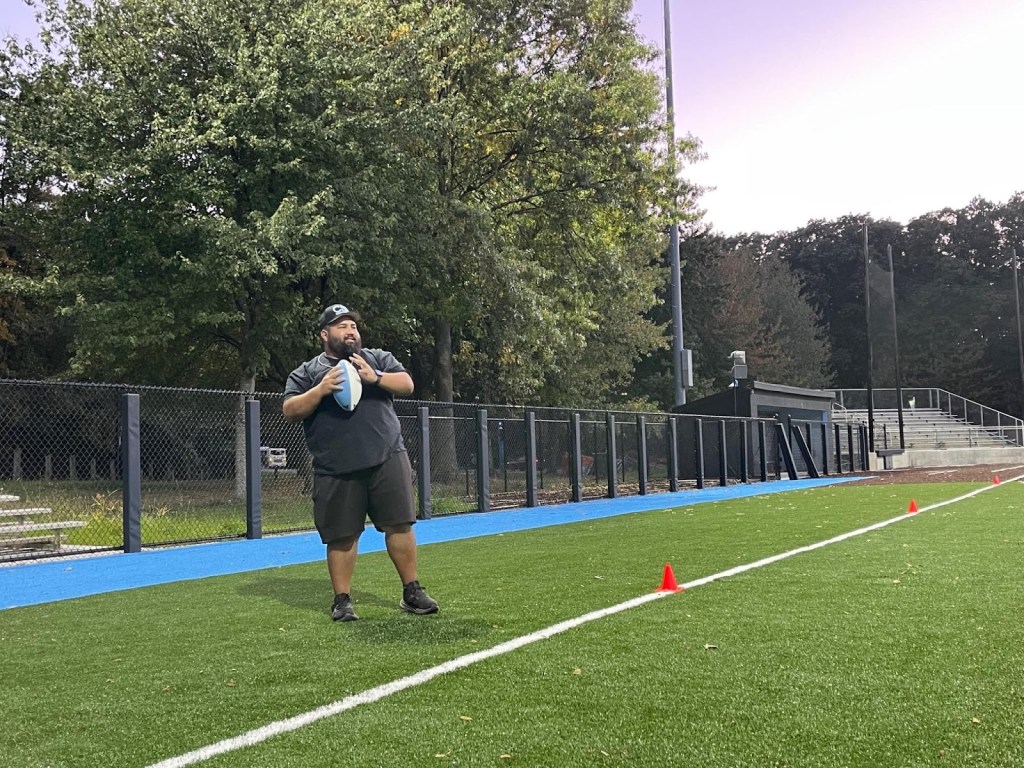
While making the external efforts to make college flag football an NCAA-sanctioned sport, he is also focusing on the internal development of the program to ensure its success and sustainability.
He aims to increase the number of female players in the program, to continue fostering a winning culture, and to promote the female coaching staff.
“Personally, a goal of mine is to help women develop in the coaching world,” said Jennaco. “I want to increase the number of female coaches we have on staff and one day be able to promote one of those coaches to become the CSI head coach. That’s always been the goal.”
The female coaches working with him can attest to his coaching and leadership capabilities, including Coach Nicole Lifrieri, who is one of the female coaches of CSI’s flag football team.
“He is extremely knowledgeable about the sport of flag football and passionate about helping female athletes grow and develop on and off the field,” said Coach Nicole Lifrieri. “Coaching alongside him has been one of the greatest privileges of my career.”
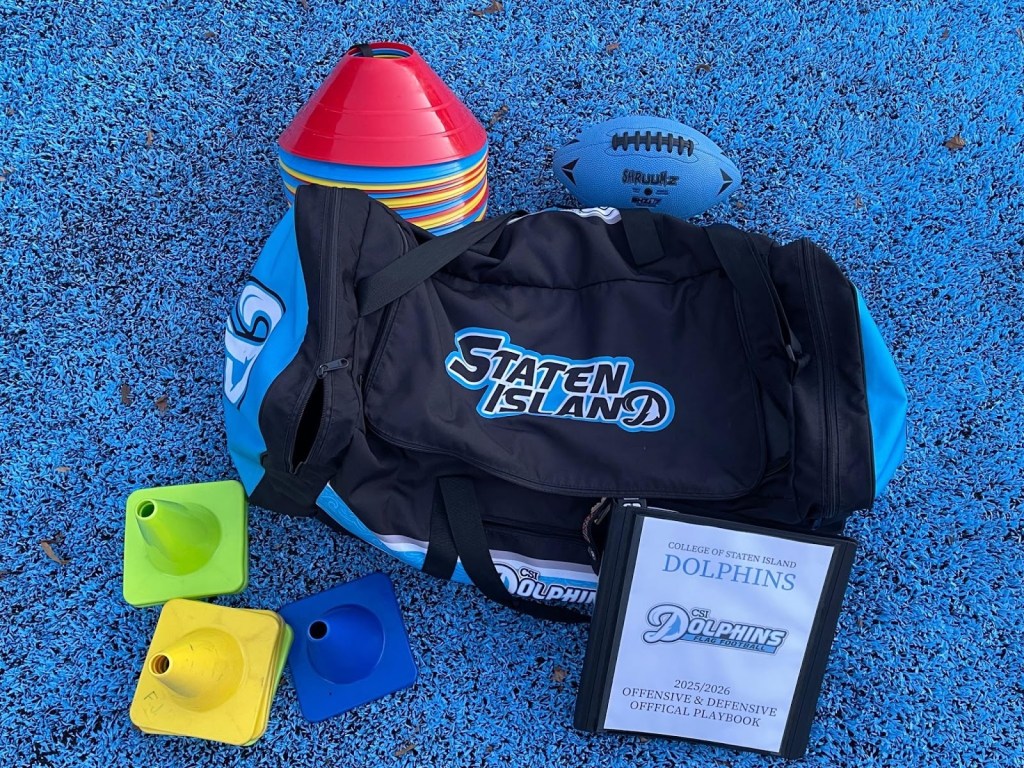
Currently, Jennaco is working on having Team USA scouts at CSI’s flag football events as they are looking to overhaul Team USA team with younger talent in preparation for the Olympics
Coach Frank encourages any female student interested in flag football to join CSI’s flag football club.
“You just got to start,” said Jennaco. “We’re a team focused on development, not on winning, so whether you have no experience, a little experience, or a lot of experience, you’re going to get better.”
