Understanding Latin communities through language prepares students for a chance to get into real-world professional opportunities.
By: Samantha Alderete
New York City’s Latin community faces ongoing challenges, from language barriers to limited access to services, and professionals who can communicate and advocate effectively are in high demand. At CSI, students who take the chance to learn a new language get to have more opportunities whether it’s for a career or to build connections with others.
“Spanish is not just a language; it is a tool that allows students to connect meaningfully with their communities,” said Sarah Pollack, Chair of the Department of World Languages and Literatures. “It helps students understand opportunities and challenges faced by Spanish-speaking residents, while also fostering empathy and awareness.”
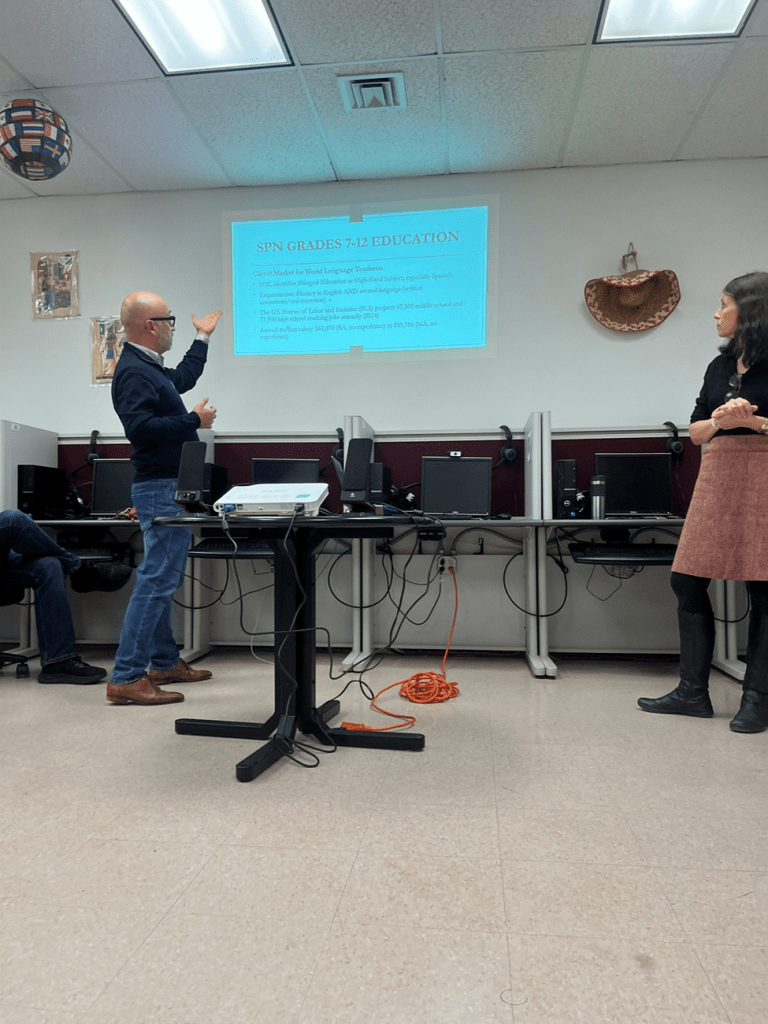
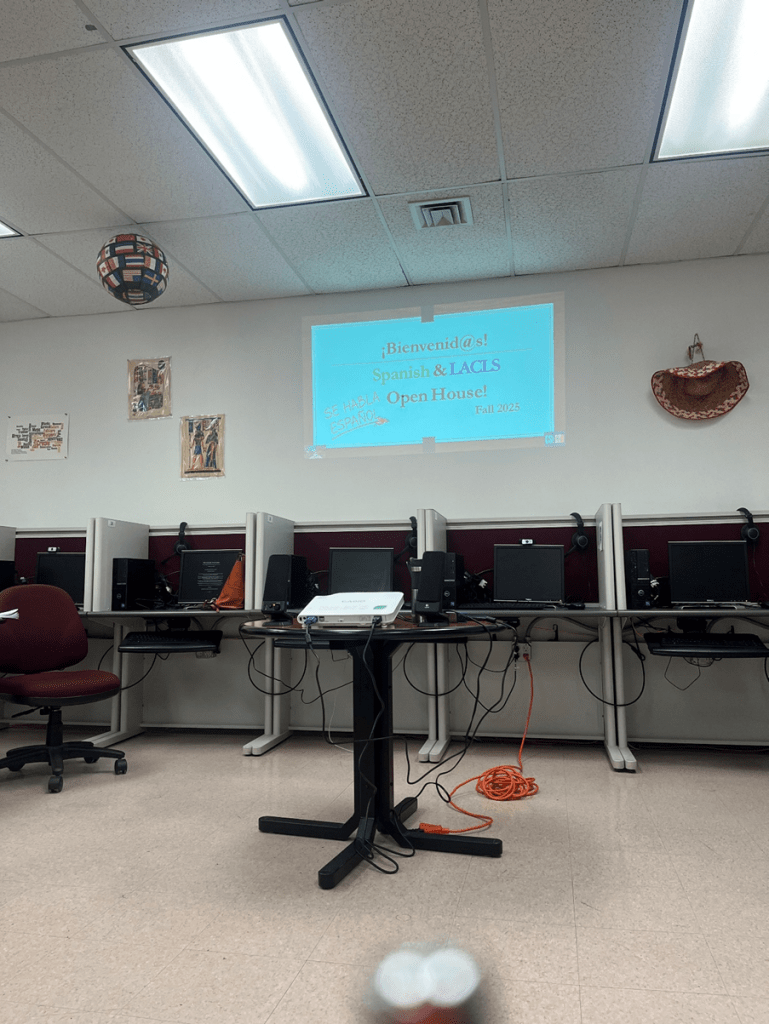
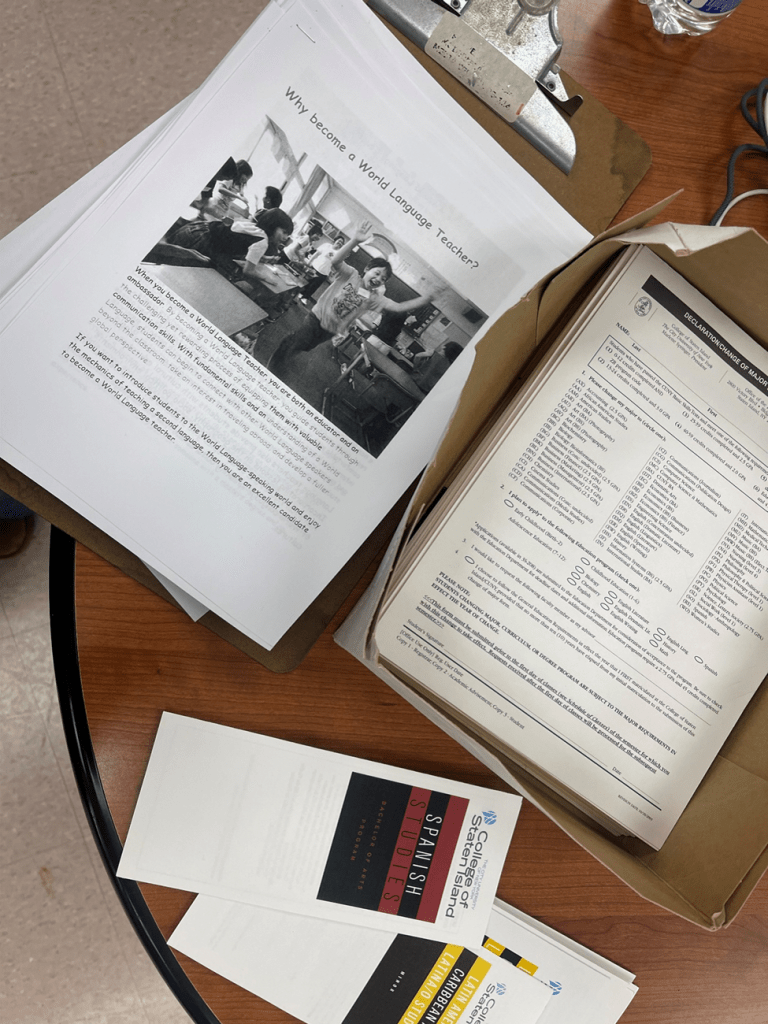
CSI recently hosted an Open House to showcase Spanish majors and minors, study abroad options, and career pathways where bilingual skills can make a tangible difference. Students learned how cultural understanding enhances professional opportunities in schools, healthcare, and social services. The event also included interactive activities highlighting Latin American culture and the diversity within the community.
With neighborhoods across the city, which is home to residents who come from Mexico, El Salvador, the Dominican Republic, Puerto Rico, and other Latin American countries, students who enter bilingual programs give them immediate opportunities to create an impact within their community. The city’s diversity creates opportunities for students to apply their skills in real-world settings, helping families and communities feel understood and supported.
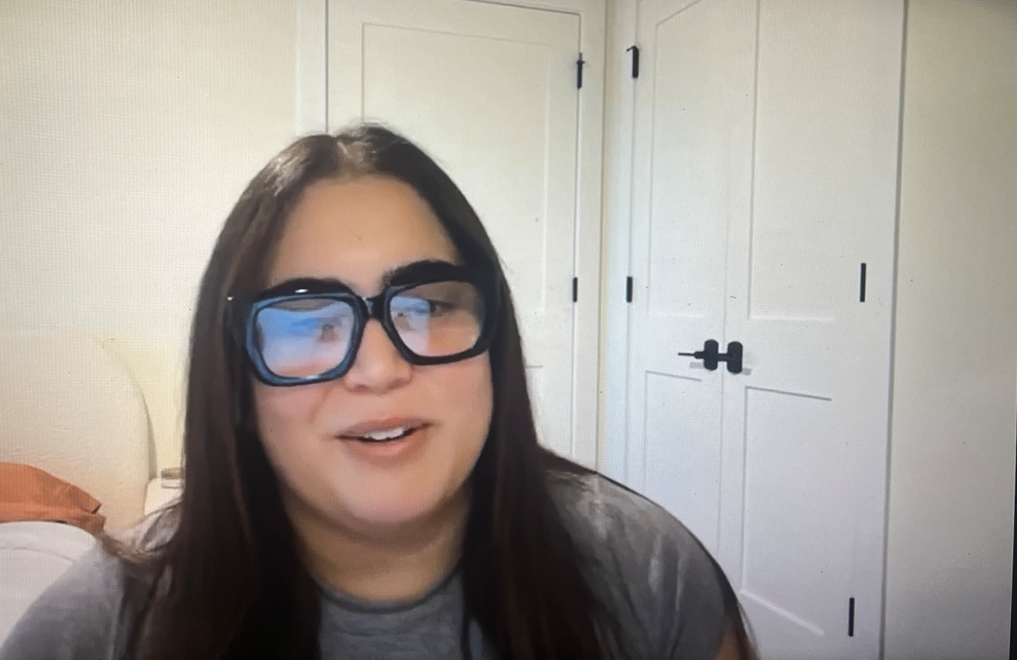
One former student reflected on how her degree in Spanish shaped her career. After graduation, she became a bilingual case manager in New Jersey, supporting Latin families navigating cultural and language barriers. She also conducted home studies for children arriving at the U.S.–Mexico border, communicating entirely in Spanish.
“Every child that I interviewed, every family that I supported, Spanish was what made me effective in my role,” said Eugenia Tejeda, director for Community Health Action on Staten Island. “It went beyond translating words. It was translating their stories, their experiences, and their struggles, so they felt understood and supported.”
During the events, students were informed about study abroad programs that offered opportunities to experience life and culture in different Latin countries such as Peru, Ecuador, and Spain.
Classes in Latin American history, cinema, and interpretation provide students context to work professionally with these populations. Many graduates have gone on to careers in education, healthcare, and social work, helping families overcome language and cultural barriers.
More than 50% of NYC residents speak a language other than English at home, with Spanish being the most common. Bilingual professionals in social services and education have significantly improved access and outcomes for families who might find it challenging to get the support that they might need.
New York City has more than 2.4 million Latin residents, with roughly 28% of public-school students speaking a language other than English at home. The city continues to see a high demand for bilingual professionals, particularly in social services, education, and healthcare.
“It creates a sense of community. It allows you to be closer and understand people who don’t necessarily speak the same first or second language,” said Sabil Manai. “And with the increase of migrants it’s no secret that there is an increased need for bilingualism.”
Programs like this one provide students with both language skills and cultural knowledge that directly benefit local communities. Community engagement is another major focus, with events, workshops, and cultural celebrations giving students opportunities to interact with Latin residents.
Alumni experiences demonstrate that combining language proficiency with cultural understanding equips graduates to assist clients in ways monolingual professionals cannot.
“Whether you want to be a nurse, a teacher, or a social worker, Spanish can be a powerful asset,” said Tejeda. “It allows you to connect, advocate, and support people in ways that go beyond the classroom. That is why this program, and understanding the community, truly matters.”